Pool Ionizer (2026): Solar Copper Floaters That Cut Chlorine Demand
Water care
A pool ionizer floats a solar copper anode that helps suppress algae so you can run less chlorine. Match the gallon rating, scrub the anode, and keep a small sanitizer residual.
Our picks
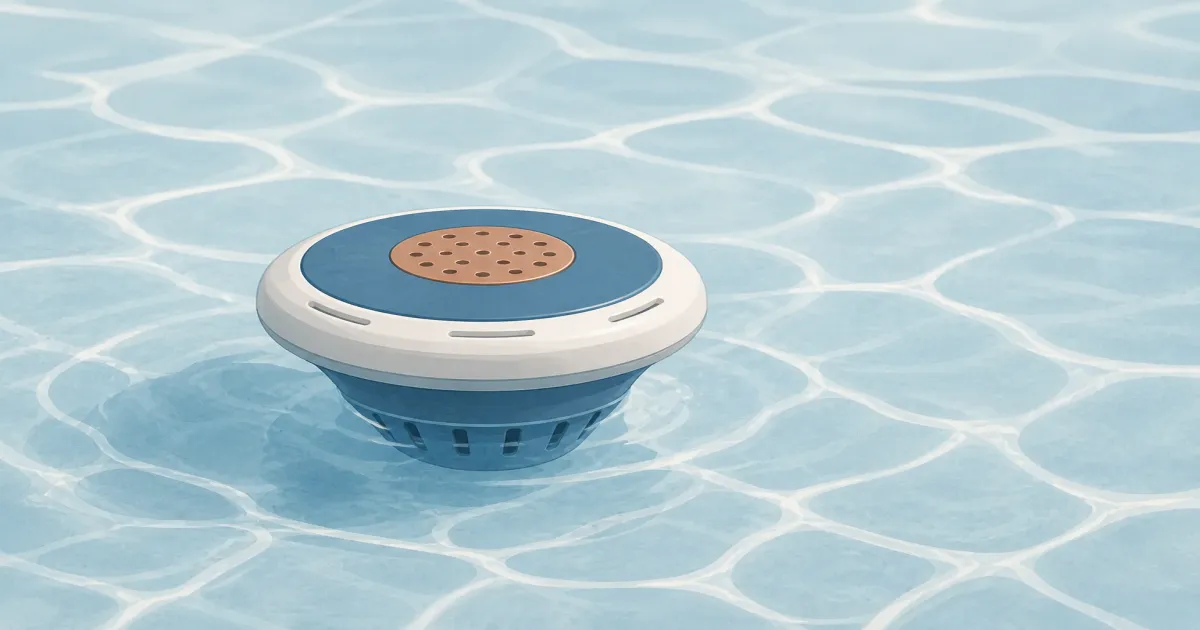
A pool ionizer is a floating solar unit with a copper anode. Sunlight drives a small current that releases copper ions into the water. Those ions help suppress algae, so many owners can run less chlorine without chasing green walls every hot week.
It is not a magic chlorine eraser. You still test, brush, and keep a sanitizer residual. Browse water care and keep a kit from the best pool test kit pillar next to the ionizer. More guides live on the blog, and the homepage maps the rest of the site.
What a solar pool ionizer actually does
The panel on top needs sun. The copper below needs to stay clean. When both are working, copper ions help keep algae from getting a foothold so your weekly chlorine habit can stay lighter.
What it does not do:
- Clear a fully green pool overnight
- Replace filtration or brushing
- Fix high phosphates or a dead filter
If the water is already a swamp, pool shock and filtration come first. Add the ionizer once the water is balanced and you want an easier weekly rhythm.
How to choose a pool ionizer
Skip any listing that promises “never use chemicals again.” Honest ownership is lower chlorine, not zero chemistry.
Top pick: PoolCent for most home pools
The PoolCent Solar Pool Ionizer is the everyday start for common above-ground and smaller in-ground pools. The gallon rating fits many residential shells without pretending to cover a hotel pool. Owners who leave reviews often care about the same things you will: clearer water with fewer tablets, and a floater that does not feel like a toy.
Place it where it gets sun. If wind parks it under a covered patio all afternoon, ionization slows. Move it back into light when you notice it hiding.
Skip PoolCent if your pool is clearly larger than the rating. Overselling gallon capacity is how people decide ionizers “do nothing.”
Larger pools: VEVOR up to 45,000 gallons
The VEVOR Solar Pool Ionizer is the better fit when the shell is big and you want a higher gallon claim plus a brush and strips in the box. The round floater is still a drop-in unit. Scrub the anode on the same schedule you would on any solar copper floater.
Newer listings have fewer multi-year owner stories than old Remington-style units. That is fine if the rating and kit match your pool. Just treat the first month as a chemistry watch, not a set-and-forget forever claim.
Mid-size kit: POOLPURE to 35,000 gallons
The POOLPURE Solar Pool Ionizer sits between the two. It targets mid residential pools and leans on a replaceable copper anode habit. Plan to scrub weekly in peak heat. Replace the anode when it is worn down instead of leaving a stub in the basket and wondering why algae returned.
Use this lane when 22,000 gallons feels tight but 45,000 feels like overkill.
Setup and weekly care
- Balance the water first. An ionizer on green soup wastes time.
- Drop the floater in full sun with the panel facing up.
- Keep a modest chlorine residual with tablets or liquid. See the floater guide for tablet sizing.
- Scrub the copper anode on a set schedule. Coating kills output.
- Test copper and pH. High copper plus high pH is how stains show up.
- After storms or parties, shock as needed. The ionizer does not replace that reset.
If algae still wins after two weeks of balanced water and a clean anode, check filtration and phosphates before you buy a second floater. Pool algaecide is a follow-up tool, not a substitute for sunlight on the panel.
Mistakes that make ionizers look useless
Most “this thing did nothing” stories share the same pattern. The pool was still green when the floater went in. The anode was left furry with scale for a month. Chlorine was dropped to zero because the box copy sounded absolute. Or the unit spent every afternoon under a solid patio roof.
Fix those before you shop for a second brand. Clean the anode. Park the floater in sun. Keep free chlorine in a normal swimming band, just lower than your old tablet habit. Brush the walls once a week so dead algae can leave through the filter instead of resettling as a film.
Shade is a real limit. Screened lanais and deep tree cover cut solar output. Some owners run two floaters on a large shaded pool. That can work if each unit still sees some light and you watch copper levels. It is not a reason to stack three cheap floaters in a dark corner.
Salt systems and mineral systems can share the pad with a solar ionizer, but the ionizer is still only algae insurance. Keep the salt cell clean and the residual in range. If the cell is already failing, a copper floater will not hide that problem for long.
Who should skip a floating ionizer
Skip this lane if you refuse to scrub copper or test copper. Skip it if the pool is a swamp every other week and you will not shock or brush. Skip it if you want a fully automated sanitizer and expect the floater to replace a chlorinator, a salt cell, or a careful tablet schedule.
A salt water chlorinator is a different product for a different job. So is a feeder or a floater full of tablets. The solar copper unit sits beside those tools. It does not replace them.
If your main fight is cloudy water after parties, start with oxidation and filtration. If your main fight is a stubborn waterline ring, brush and tile care matter more than another floating gadget. Buy the ionizer when algae pressure is high, sun is available, and you want a lighter chlorine bill without going zero-sanitizer.
Bottom line
For most backyard pools, the PoolCent solar pool ionizer is the right first buy. Step up to VEVOR for larger shells or POOLPURE for mid-size kits. Scrub the anode, keep a little chlorine, and treat the floater as algae insurance, not a full chemistry replacement.
Frequently Asked Questions
Does a pool ionizer replace chlorine?
No. A solar copper floater helps suppress algae and can cut chlorine demand. Keep a small sanitizer residual and test weekly.
How often do I clean the anode?
Scrub the copper every one to two weeks in hot weather, less often in cooler weeks. A coated anode stops working even if the solar panel still looks fine.
Will copper stain my pool?
High copper plus unbalanced water can leave stains. Stay in the range your test strips recommend and keep pH in line.
Can I use one with a salt system?
Many owners do. The ionizer is an algae helper, not a second chlorinator. Follow the listing notes and still monitor salt-cell output.
How long until I see clearer water?
Plan on several days to a couple of weeks after the water is already balanced. An ionizer will not clear a swamp by itself. Shock first if the pool is green.
Do I still need a floater or tablets?
Usually yes, at a lower dose. See our pool chlorine floater guide for tablet habits that stay modest.
What size ionizer do I need?
Match the gallon rating with a little headroom. A 22,000-gallon unit is wrong for a 40,000-gallon shell even if the floater looks the same.