Pool Stain Remover (2026): Rust, Scale, and Metal Marks
Water care
Pool stain removal fails when you scrub the wrong finish or treat a water metal problem like a single tile mark. Match the remover to the stain first.
Our picks
Pool stain removal sounds like one product aisle, but pool stains are not one problem. A rough white ring, a rusty brown spot, and a broad metal tint on the finish can all show up in the same season, and none of them want exactly the same fix.
Broad metal discoloration wants a water treatment; a rough plaster spot wants controlled abrasion. That is how people end up scrubbing the wrong surface with the wrong tool, or pouring a chemical into the water and wondering why one stubborn spot is still sitting there.
Stain treatment sits with the water care guides on metals, scale, and surfaces. Start with a reading from our best pool test kit guide, then decide whether the mark is calcium, metal, or organic. Mineral crust along the tile line is covered in the pool scale remover guide, and stains that keep returning usually point to pool metal sequestrant habits rather than another bottle.
Which pool stain remover do you actually need?
There is no single answer. A broad tinted discoloration in the water wants a liquid treatment dosed by gallonage. A rough crusted spot on plaster or concrete wants a pumice tool and hand control. Match the remover to the stain, or you waste both the chemical and the afternoon.
The three stain jobs and the tool for each
Surface scale is calcium that has bonded to plaster or tile, and it feels rough under a finger. Metal discoloration is iron or copper that has settled out of the water, and it usually looks like a color wash rather than a crust. Organic marks from leaves or algae sit somewhere in between and often need a different chemistry entirely.
A liquid stain remover treats the water-side problem. A pumice stone treats the surface-side problem. Buying both is normal for a pool that has sat through a season.
How do I tell whether a stain is metal, scale, or organic?
Look and feel first. Rough or crusty usually means scale. A small isolated brown or orange spot is often rust. A wider tinted area points toward metal in the water. Dark green or black patches that brush off as dust are organic and need algae treatment, not a stain remover.
If you are not sure, do not start with the harshest tool. A water test from our best pool test kit guide helps you avoid guessing your way into surface damage. Metal problems in particular hide in the fill water, so knowing the source beats scrubbing the symptom.
How much stain remover does a pool need?
Dose by gallonage, not by eye. Alden Leeds Sparkle Conquest treats at 1 quart per 20,000 gallons when stains are present, and the maintenance dose is 1 ounce per 5,000 gallons every two weeks. A 15,000-gallon pool needs about three-quarters of a quart for the initial treatment.
The maintenance number is the part most owners skip. Once the water is clean, 1 ounce per 5,000 gallons every two weeks keeps metals from settling back onto the finish. That is roughly 5 ounces per month on a 15,000-gallon pool, so a single quart lasts several months of upkeep.
Best for water-borne metal staining: Alden Leeds Sparkle Conquest
Alden Leeds Sparkle Conquest is a liquid sequestering stain remover for vinyl and masonry pools. It is built to remove surface stains and clear mineral-discolored water, and the label covers iron, copper, manganese, and calcium. The quart is the standard size and the listing carries a 4.6-star average across 34 ratings.
Why it wins on broad discoloration
Broad metal staining usually comes back if you only attack the part you can see. Sparkle Conquest works through the water, so the treatment covers the floor, the walls, and the marks you have not spotted yet. An owner review on the same Alden Leeds family said their pool company recommended it, that it lifted leaf and winter liner stains, and that the one stain it could not beat was rust, which is exactly the honest boundary of a liquid treatment.
If stains keep returning after treatment, the source is still there. That is when a pool metal sequestrant habit matters more than repeating the same cleanup.
Who should skip the bottle
Skip it for a single rough calcium patch on plaster. That job is abrasion, not chemistry. Also skip dosing by eye: a quart is sized for 20,000 gallons, and pouring a whole bottle into a 10,000-gallon pool is money in the waste line.
Best for spot scale and rust on plaster: Pool Pumice Stone
Pool Pumice Stone with EZ-Clip Handle is a fine-grit pumice block on a pole adapter, made to scrub calcium efflorescence off tile, lift plaster stains, and take the heads off black algae spots. It holds a 4.0-star average across 1,784 ratings, which is consistent with a tool that works well when it is used on the right surface and disappoints when it is not.
Which surfaces a pumice stone must never touch
Pumice is a hard-surface tool. It is for plaster, concrete, and ceramic tile. It scratches vinyl liners and fiberglass permanently, and there is no polish that brings either back. The manufacturer warnings are blunt about it, and the same rule applies to any abrasive block sold for pool use.
Wet the stone and the tile or plaster before you scrub. The water is the lubricant that stops the grit scoring the finish, so a dry pumice is the wrong technique even on a hard surface. Work in small circles and keep the pressure light.
What the alternatives cost
Muriatic acid is the one that catches people. Leaving it on tile for more than about 30 seconds can etch the glaze and eat grout, so a diluted pass and an immediate rinse is the whole window. If the buildup is thick and gray, or it has ignored both vinegar and pumice, that is professional territory.
What the dose costs
A $22 quart of Sparkle Conquest treats 20,000 gallons, which works out at about 1.7 cents per 1,000 gallons for a full treatment and less than half that on maintenance. Compared with a $300-plus bead-blasting bill, the math on treating the water early is not close.
Why does the stain keep coming back?
A stain that returns quickly is telling you the source is still there. That might be metals in the fill water, old hardware, or a chemistry pattern that keeps letting the problem redeposit. In that case, a single treatment is only half the plan.
If the issue looks tied to metals, a follow-up pool metal sequestrant habit usually matters more than another round of random scrubbing. If the water is also dull or overloaded with other chemistry issues, solve those first. A stain remover cannot outrun bad balance.
Common mistakes to avoid
The first mistake is using the wrong remover category. The second is getting impatient and scrubbing too hard. The third is treating the visible mark while ignoring the water balance and the source.
Another common mistake is using a spot-treatment tool because it feels cheap and immediate, even when the real issue is broader. A narrow tool is satisfying when you can see progress, but it is not the right answer for a water-side problem. And the reverse is just as common: pouring a whole-pool treatment at a single rust freckle that a wet pumice stone would lift in two minutes.
Bottom line
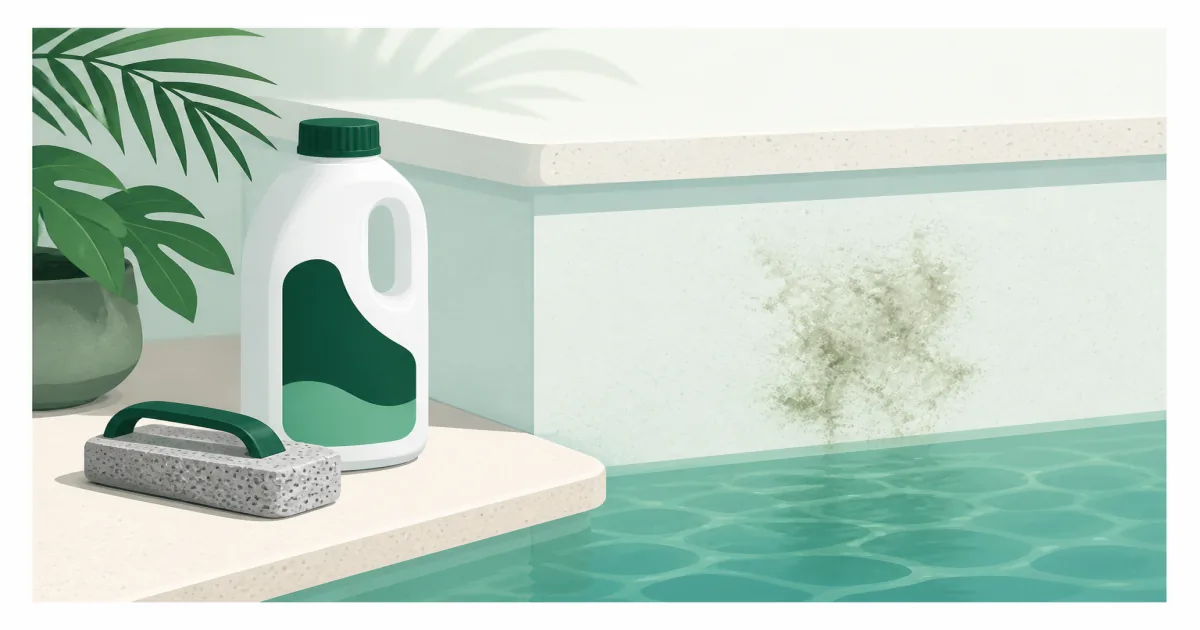
The best pool stain remover is the one that matches the stain you really have. Alden Leeds Sparkle Conquest is the stronger fit for broader metal-related staining in the water, dosed at 1 quart per 20,000 gallons. Pool Pumice Stone with EZ-Clip Handle is the right call for small scale or rust spots on plaster and concrete, and the wrong call on vinyl or fiberglass. Diagnose first, then treat, and do not force one remover to solve every kind of stain.
Frequently Asked Questions
What is the fastest path to pool stain removal?
Identify the mark first. Broad metal tint wants a water treatment. A rough plaster spot may need a pumice tool. Guessing wastes a weekend.
What is the best pool stain remover for every pool stain?
There is not one. A pool stain remover has to match the mark. Metal stains, scale, and surface rust do not all need the same product or the same technique.
How do I tell if a stain is from metal or scale?
Scale usually feels rough. Metal stains often look more like a color mark in the surface. If you are not sure, test the water first and avoid attacking the finish too aggressively.
Can I use a pumice stone on any pool?
No. A pumice-style pool stain remover is for plaster or concrete only. Do not use it on vinyl or fiberglass.
How much stain remover does a pool need?
Alden Leeds Sparkle Conquest doses at 1 quart per 20,000 gallons when stains are present, with a maintenance dose of 1 ounce per 5,000 gallons every two weeks.
Should I lower pH before treating a stain?
Sometimes balancing the water helps, but do not make random chemistry changes first. Use a real test and understand the stain type before you start.
Can pool stain remover fix algae marks?
Not always. Some dark spots are organic or algae-related, which is a different cleanup path than calcium or iron staining.
Is it safe to scrub hard with a stain tool?
Only on the right surface and only with control. More force is not always better, especially near older plaster.