Pool Cover Pump (2026): Automatic Picks That Clear Standing Water Fast
Accessories
A pool cover pump should kick on when water sits on the cover and shut off when the puddle is gone. Start with an automatic unit and a GFCI outlet.
Our picks
Standing water on a winter cover is weight you do not want. If you still need the tarp itself, start with our pool winter cover picks, then come back for the pump. A few inches looks harmless until wind adds leaves and the cover starts to sag. A pool cover pump exists for that job: sense the puddle, move the water off the cover, then stop.
Pumps and cover handling belong with the wider accessories gear, from anchors to skimmer nets.
This guide compares automatic options you can buy on Amazon today. Notes come from product specs and owner reviews. We did not run timed drain tests on a closed pool for this article.
What a pool cover pump actually does
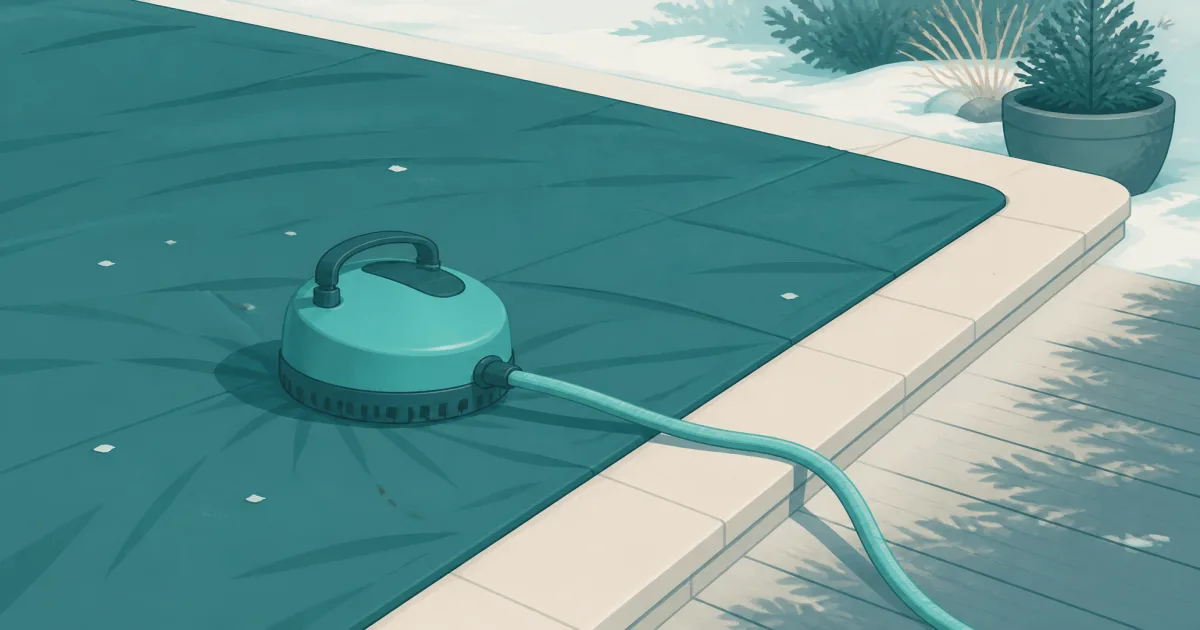
The pump sits in the lowest spot on the cover. When water reaches the sensor or float threshold, the motor starts. Water leaves through a hose or discharge adapter. When the puddle drops below the shutoff height, the pump stops so it is not running dry.
That is different from a sump pump in a basement or a pool circulation pump. You are protecting the cover fabric and the waterline under it, not filtering swim water.
Hero pick: WAYNE WAPC250
The WAYNE WAPC250 Pool Cover Pump is the pick most owners should start with when rain is frequent. iSwitch sensing looks for water around the two-inch mark, then shuts down as the level falls. The listing rates flow up to about 3,000 GPH with a wider drain hose, which matters after a multi-day storm.
You also get a 25 ft power cord and a pull-to-shore rope. Those two details sound boring until you are standing on a wet cover in the dark trying to reposition a pump that drifted.
Use a GFCI outlet. Keep leaves out of the strainer. If the impeller locks from ice or debris, follow Wayne’s reset guidance instead of forcing the shaft.
Strong automatic value: Acquaer 1/4 HP
The Acquaer 1/4 HP Automatic Pool Cover Pump is the better buy when you want automatic behavior and a lower price lane. Rated around 2,250 GPH, it turns on near 2 inches of water and includes a strainer base plus a 3/4 inch garden-hose adapter.
Owners like the set-and-forget rhythm. The tradeoff is peak flow versus the Wayne on long hose runs. If your discharge path is short and downhill, the Acquaer is enough for most backyard covers.
Hose length, outlet safety, and placement
Three setup details decide whether either pump feels “strong” in real life.
First, hose friction. A 50 ft garden hose uphill will cut gallons per hour hard. Keep the run short when you can, and use the larger discharge path if the kit supports it.
Second, power. Pool decks and wet grass are not the place for unprotected outlets. Use GFCI protection every time.
Third, placement. Put the pump in the deepest puddle, not on a high wrinkle. Re-check after the first storm because covers shift as water weight moves.
When a cover pump is not the whole answer
A pump will not fix a torn cover, a failed water tube, or chemistry problems waiting under a sealed blanket. Before opening season, plan a skim kit and a balance check. Pair cover season with the best pool skimmer for open-water debris, and keep a best pool test kit ready for opening week.
If leaves are already under a soft cover edge, scoop what you can before they stain. The pump only moves water that reaches it.
Quick buyer checklist
Buy the automatic pump if you travel, work late, or simply do not want to babysit every storm. That is the whole point of a pool cover pump.
Week-one setup walkthrough
Unpack the pump, attach the check-valve adapter, and connect a clean hose before you climb onto the cover. Test the outlet with a GFCI reset so you are not troubleshooting power later in the rain. Set the pump in the deepest puddle, feed the hose to a safe discharge point, then plug in and watch the first cycle.
Listen for cavitation or rattling that hints at a clogged strainer. If the pump short-cycles, shorten the hose or confirm the check valve is oriented correctly. After the puddle clears, unplug before you move the unit so you are not dragging a live cord across wet vinyl.
Write down what worked: hose length, discharge spot, and how long the cycle took after a one-inch rain. That note saves you from reinventing the setup every autumn.
Debris, strainers, and boring maintenance
Leaves love strainer bases. A two-minute rinse after a windy night prevents the “pump ran but nothing moved” complaint. Soft brushes beat screwdrivers when you clear the intake. If the cover is coated in pollen slime, rinse that too so the sensor sees water instead of paste.
Inspect the hose for kinks where it crests the cover edge. A kinked hose can make a strong pump look weak. Replace cracked sections before opening season so you are not hunting fittings during the first storm.
Store the pump indoors if your climate freezes hard for weeks. Even with freeze-protection logic, ice expansion and debris locks are still common failure modes in owner reviews.
How this fits the rest of your deck kit
Cover season is only one chapter. When the pool opens, you still need surface skimming, brushing, and a cleaner path. Keep the cover pump on a labeled shelf so it does not get donated to the basement sump pile by accident.
If you are building the broader care stack this year, pair this guide with best pool skimmer for open-water debris and best pool test kit for opening chemistry. The pump protects the cover. It does not replace those jobs.
Frequently Asked Questions
Do I need an automatic pool cover pump?
If your cover collects rain or meltwater for days, yes. Manual siphon kits work for a light shower. Automatic pumps win when you cannot babysit the cover after every storm.
What size hose should I use?
Use the adapter that ships with the pump, then keep the run as short and downhill as you can. Long, skinny garden hoses cut real-world gallons per hour.
Can I leave the pump out all winter?
Many units include freeze protection logic, but ice and debris still stress motors. Follow the manual for storage when temps stay below freezing for long stretches.
Will a pool cover pump empty the pool?
No. It only removes water sitting on top of the cover. Keep the cover sealed so you are not pumping pool water by accident.
Where should the water go?
Route discharge away from the pool edge and away from neighbor property lines. A soft landing spot beats dumping onto a walkway that ices over.
Do I still need a skimmer in swim season?
Yes. Cover pumps are for covered months. Once the pool is open, surface debris is a best pool skimmer job, and weekly cleaning still belongs with a robotic cleaner or vacuum.